Why Small Business Owners Are Increasingly Targeted by Identity Thieves
Written by InvoiceBerry Team on September 14, 2026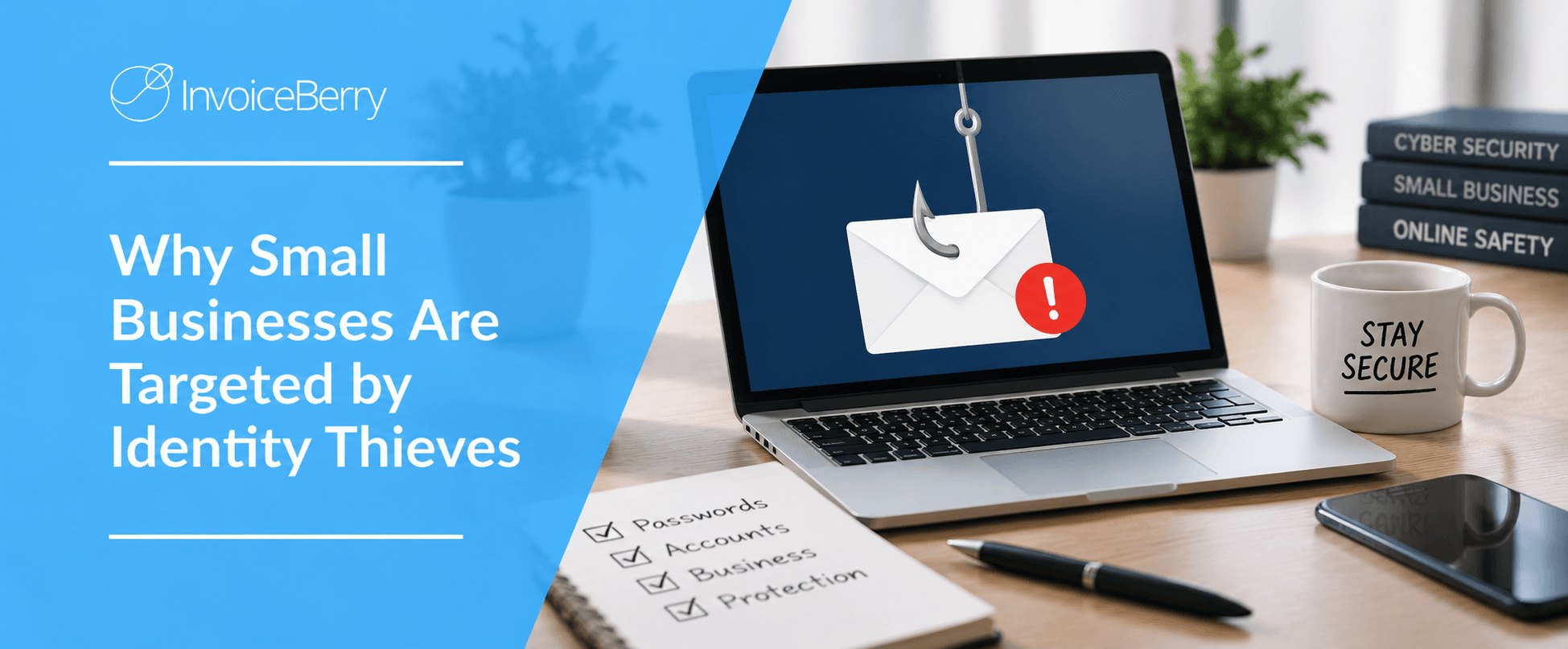
Most people hear “identity theft” and picture someone swiping a credit card number or buying stuff with a stolen account. For small business owners it usually cuts deeper. A lot of us end up mixing personal details with business ones without really thinking about it, and that mix gives thieves more to work with.
Your name is probably on the company registration, the business bank account, the website, social media, the professional email, and the payment systems. Sometimes personal and business money even sit in the same place. Once someone collects enough of those pieces they can try to act like you, get into accounts, move money, or fool the people who work for you and the customers who buy from you.
Try our online invoicing software for free
Accept online payments with ease
Keep track of who's paid you
Start sending invoices
There’s just more business information floating around online these days. You pretty much have to put contact details out there if you want customers and want to look legitimate, but the same stuff can get used against you. Figuring out why small businesses get targeted is the first real step if you want to make things harder for them.
Why Small Business Owners Are Attractive Targets
Small businesses often hold valuable information without the big security budgets larger companies have. One person might be running the business banking, payroll, accounting, customer records, payment systems, email and social media all at once. Hit just one of those areas and an attacker can sometimes reach several others.
They also get hit with the usual scams, impersonation, fake invoices, phishing, requests for sensitive details. The Federal Trade Commission (FTC keeps telling small business owners to learn how these common scams work and to slow down when someone creates urgency around a payment or asks for business info.
Visibility plays a role too. Your name shows up on websites, invoices, social accounts, local directories, professional networks and public records. That makes it easier for criminals to collect pieces and put together a convincing impersonation. For an attacker, a few solid details can be enough to start something bigger.
Personal and Business Information Often Overlap
One of the biggest challenges for entrepreneurs is the boundary between personal and business identity.
A business owner might use a personal email address when registering a company, connect a personal phone number to business accounts, or use their home address for business correspondence. Even when the business itself is properly organized, these connections can create additional exposure.
For example, an attacker who finds your name, business email, company name, and role might already have enough to send a phishing message that feels personal instead of generic. Suddenly the email mentions the actual business, and it looks a lot more real. That’s why it helps to think about which personal details really need to stay public.
Public Information Can Help Criminals Build a Profile
Entrepreneurs naturally share information about their businesses online. Websites list names and contact info. Social media shows employees, locations, what the business is doing, and what’s coming up next.
None of that is automatically dangerous on its own. The problem starts when someone puts information from different places together.
Your website might show your name. LinkedIn fills in the job title and work history. Social posts give away where you are or where you’ve been. Public company records add more. Put it all together and an attacker has a solid picture to work with when they’re trying to pretend to be you.
It doesn’t hurt to search your own name and business info every so often. You might find things that have become public without you realizing it. it.
Phishing Attacks Are Becoming More Convincing
Phishing is still one of the most practical ways for criminals to grab credentials and other sensitive information.
For business owners, the message might look like it’s coming from a bank, accountant, payment provider, supplier, customer or even an employee. The message could request an urgent payment, ask the recipient to confirm account information, or direct them to a fake login page.
Because entrepreneurs often handle several responsibilities themselves, scammers can take advantage of busy schedules. A message that looks routine may receive less scrutiny when the owner is dealing with customers, invoices, payroll, and other priorities.
Business owners should be particularly cautious about unexpected requests involving passwords, financial transfers, tax information, or changes to payment details. When something seems unusual, verifying the request through a separate communication channel can prevent a costly mistake.
Business Email Accounts Are Valuable Targets
Email often sits right in the middle of a small business. It’s used to talk to customers, reset passwords, get invoices, manage cloud services and access financial platforms. If criminals get into the main business email account they can often reset passwords on other services too.
They might also just watch the conversations and wait for a good opening to impersonate the owner.
For example, if an entrepreneur regularly communicates with a supplier by email, a compromised account could potentially be used to send a fraudulent request for a payment to a different bank account. Because the message comes from a familiar address and follows an existing conversation, the recipient may not immediately recognize the deception.
Strong, unique passwords and multi-factor authentication can make unauthorized access considerably more difficult.
Social Media Can Expose More Than Expected
Social media is important for many small businesses, but it can also provide criminals with useful information.
Business owners may post photographs of their offices, introduce employees, announce new contracts, share travel plans, or discuss upcoming projects. These posts can help establish relationships and build trust with customers, but they can also reveal information that criminals can exploit.
An entrepreneur should be careful about posting information that exposes personal routines, home addresses, private phone numbers, or security-related details.
Employees should understand what they can safely share too. A casual office photo might accidentally show customer records, a password on a whiteboard or confidential documents in the background.
Identity Theft Can Affect Business Finances
The money side of identity theft can get ugly for an entrepreneur.
Someone might try to open accounts with stolen info, redirect payments, get into financial accounts, or pose as the owner when dealing with suppliers or banks.
Sometimes you don’t notice right away, especially if the business has a steady stream of transactions every month.
Checking bank statements, payment accounts, credit reports, and financial records regularly helps catch strange activity sooner.
Make sure financial accounts have solid security controls and that employees only get the access they actually need for their jobs.
Protect Customer Information at the Same Time
Identity theft does not only concern the owner’s personal information. Small businesses often hold valuable information about customers and employees.
Depending on the business, this might include names, addresses, phone numbers, email addresses, payment information, account credentials, or other sensitive details.
A breach involving customer data can create financial and reputational consequences. Customers expect businesses to take reasonable steps to protect what they share.
For entrepreneurs, that means limiting access to sensitive records, using secure storage, keeping software updated and removing access when someone leaves. Data protection isn’t something only big companies need to worry about.
Even a small company can benefit from straightforward security practices.
Use Separate Business and Personal Accounts
Keeping personal and business accounts separate cuts down on exposure.
Whenever you can, use dedicated email addresses, phone numbers, cloud storage, and financial accounts for business stuff. It makes access easier to manage and keeps less of your personal information tied to the company.
Another important step is protecting the accounts themselves. CISA recommends that small and medium-sized businesses use multifactor authentication (MFA) to add another layer of protection to email, file storage, remote access, and other important systems.
It also helps when an employee or contractor needs access to a business system. They can receive appropriate business credentials rather than being given access to an owner’s personal account.
The same principle applies to passwords. A business owner should never use a password for a personal account on a business platform or vice versa.
Be Careful With Business Documents
Invoices, contracts, tax documents, payroll records, and other files can contain substantial amounts of sensitive information.
Leaving these documents in unsecured email accounts or sharing them through inappropriate channels can increase the risk of exposure.
Set some simple rules for handling important documents. Keep sensitive files in secure places, limit who can see them, and don’t hang onto old ones longer than you need to.
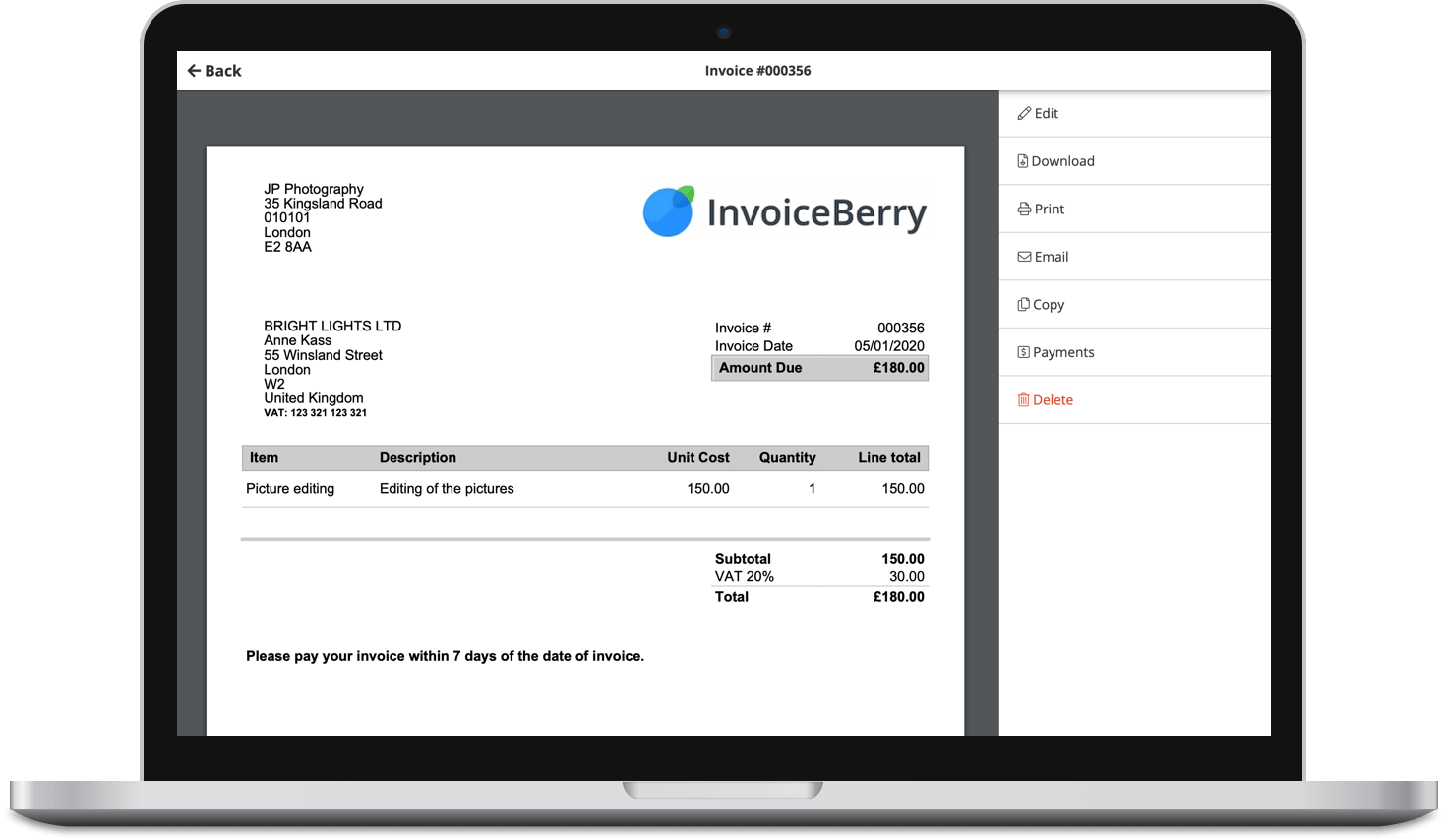
It’s also worth looking at what shows up on the invoices and other documents you send to customers. Extra personal details that aren’t necessary just create more exposure with no real upside.
Consider Identity Protection and Monitoring
Strong security practices can reduce the chances of identity theft, but they cannot eliminate every risk. Information can still get exposed through a data breach or something else outside your control.
Identity monitoring can give you another layer of awareness by flagging certain suspicious activity or exposed information. For owners whose personal and business lives are tightly linked, knowing what these services cover can be helpful.
When researching different options, Aura and LifeLock compared provides a useful starting point for understanding how identity protection offerings can differ. It covers differences in monitoring features, restoration help, coverage, and pricing so you can weigh what matters most before picking a service.
Just remember that monitoring works best alongside everyday security practices – strong passwords, multi-factor authentication, careful access management, and regular financial reviews, not instead of them.
Train Employees to Recognize Identity Theft Risks
A business’s security is only as strong as the people who have access to its systems.
Employees should know how to identify suspicious emails, unexpected payment requests, fake login pages, and unusual messages from someone claiming to be a manager or supplier.
Training does not have to involve complicated technical lessons. Simple examples can be highly effective. Employees can learn to verify unusual payment instructions, avoid sharing passwords, question unexpected attachments, and report suspicious activity quickly.
You can also set clear procedures for financial requests. A request to change a supplier’s bank details, for instance, should require independent verification instead of relying only on an email.
Those steps make it much less likely that a successful impersonation turns into actual financial loss.
Make Security Reviews Part of Business Management
Small business owners already have plenty to manage, so cybersecurity can easily become something they postpone until there is a problem.
A better approach is to fold basic security checks into regular business admin.
Every few months, look at who has access to business accounts, remove anyone who’s no longer active, update passwords, check financial statements, review connected apps, and make sure important accounts still have multi-factor authentication turned on.
Also take a look at what personal information about you and the business is sitting out there publicly.
These checks do not need to be complicated. Consistency is more important than complexity.
Conclusion
Small business owners are attractive targets for identity thieves because their personal and professional information is often closely connected. A single compromised email account, social media profile, or financial credential can potentially provide access to much more valuable information.
Entrepreneurs can reduce these risks by separating personal and business accounts, limiting the information they publish, protecting financial and customer records, using multi-factor authentication, and training employees to recognize suspicious activity. Regular monitoring can also help identify problems before they become more serious.
Running a small business requires trust, and protecting personal information is part of maintaining that trust. By making security a routine part of business management rather than an emergency response, entrepreneurs can make it considerably harder for identity thieves to turn publicly available information into a successful attack.
The Ultimate Social Media Tool
Download our free guide to learn how to create shareable content, generate website traffic & increase conversions.