The Future of Work for Small Businesses: Remote, Hybrid, or Managed Office Space?
Written by InvoiceBerry Team on September 29, 2025
Business location isn’t the default starting point for managing a venture. The growing adoption of technology, the digital-first environment, the changing customer expectations, and increasing operating costs have forced business owners to think differently. They are rethinking how work gets done and experimenting with flexible hubs, plug-and-play workspaces, virtual setups, or no physical space at all.
Owing to these trends, work models have evolved into remote, hybrid, and managed office spaces. Each of these models has its benefits and drawbacks.
Try our online invoicing software for free
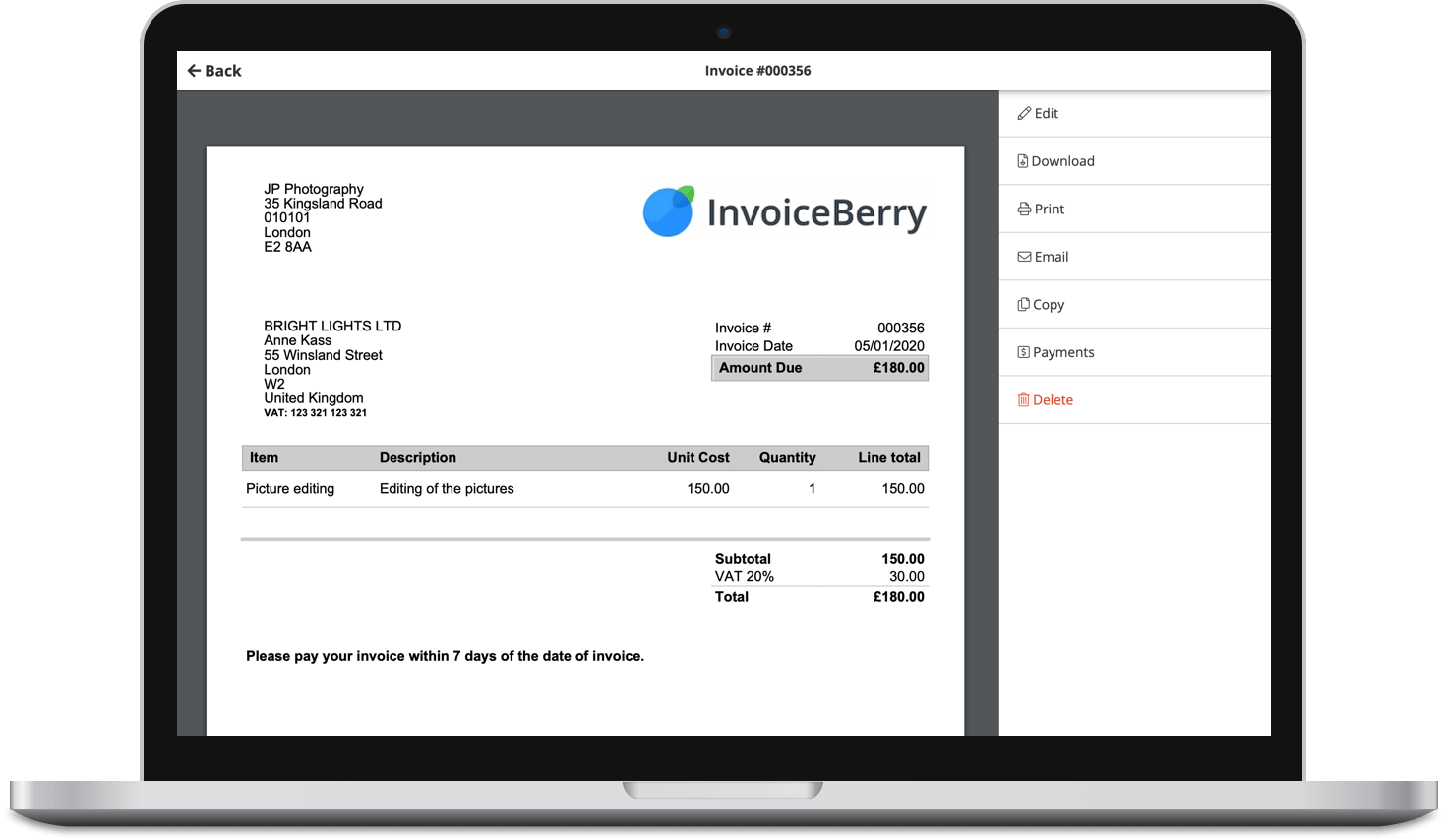
Accept online payments with ease
Keep track of who's paid you
Start sending invoices
For instance, remote working maximizes geographic reach and cost savings, but it also challenges culture and compliance. On the other hand, managed office spaces provide ready-to-use infrastructure and predictable costs, eliminating the burden of traditional leases.
In this post, we will explore these three models in depth, allowing small businesses to choose a setup that best supports their growth, productivity, and resilience in the years to come.
The 3 Work Models Shaping Small Businesses

Remote Work
In the remote work arrangement, employees work from locations outside the traditional office space. This could be home, coworking spaces, or from different cities or countries. Remote working allows greater flexibility, reduces commute time, and enhances the quality of life. It helps businesses tap into a broader talent pool. This is especially valuable for specialized technical work like building a mobile app, where companies increasingly turn to an outside team for react native development services rather than hiring and training in-house mobile developers for a single project. For coworking operators, a coworking space CRM can also help manage member relationships and communication more efficiently.
However, remote working introduces several challenges. For instance, it’s tough to maintain a unified culture with this working arrangement. Further, data security on disparate networks is tricky. Without proper processes in place, remote working can quickly lead to employee isolation and inconsistent service delivery.
Hybrid Work
In hybrid working, employees spend a portion of their work days at home, can work from the office, and/or have the flexibility to choose where they work from. Thus, it combines physical presence with remote flexibility.
This hybrid working model helps preserve collaboration and creativity while keeping overheads lower than a full-time office. However, it requires careful scheduling, clear policies, and investment in collaboration tools, failing which businesses may experience fragmented communication and increased commuting costs without any benefits.
Managed Office Spaces
Managed office space working is an emerging model that sits between traditional leases and coworking spaces. Service providers offer fully furnished, tech-enabled offices on flexible terms, often including reception, IT support, cleaning, meeting rooms, and security.
No wonder, 55% of small businesses globally are utilizing flexible office solutions, with 17% planning to increase their use. These read-to-use spaces mitigate the impact of rising construction and fit-out costs.
For small businesses, managed office spaces bring predictable costs, access to professional infrastructure, and the ability to scale up or down without the burden of long-term contracts. A managed office space also supports hybrid teams by acting as a central hub for critical meetings, client presentations, and training sessions.
The three working arrangements shared above aren’t just workplace formats; they are strategic choices businesses make to improve their cost structure, culture, and growth. Therefore, understanding their strengths and limitations is critical to deciding which arrangement will best support your business goals.
How to Choose the Most Suitable Work Model for Your Small Business

Choosing the right work arrangement for your business is more than just an operational choice. The model you opt for will impact your business costs, culture, talent retention, and overall productivity.
Here’s a structured approach to make an informed decision in this regard.
Key Factors to Consider When Choosing a Work Model
Consider the following critical factors to choose a model that delivers the most value for your team.
Business Stage
If your business is a startup, minimizing fixed costs and staying agile is key. A fully remote model or on-demand managed office space allows startup founders to pivot quickly without being locked in long leases or heavy infrastructure investments.
Companies in the growth phase aim for scalability and improving brand presence. Hybrid working or managed office spaces can offer a hub for the team to collaborate and manage client meetings while avoiding capital outlays.
For mature businesses, strengthening culture and managing increasing client expectations is top on the agenda. Hence, at this stage, a dedicated managed office can deliver the stability and consistency employees and customers expect.
Industry and Compliance Needs
Industry segments like financial services, healthcare, and legal services operate under strict data protection and client confidentiality regulations. These factors can make a remote working setup risky, especially if employees are working in unsecured networks or in public spaces. In such scenarios, understanding what is a firewall and why it’s crucial for cybersecurity becomes essential, as firewalls form a first line of defense against suspicious activities.
Managed office spaces adopt built-in security measures and offer private meeting rooms and IT support that help smaller businesses meet compliance standards without investing in expensive infrastructure. Hybrid work models also work for these businesses, provided the tasks involving sensitive data handling are done on-site.
Team Size
Small or widely-scattered teams get most value from a fully remote work model. This work arrangement cuts their commuting time and improves work-life balance. For businesses, it is easy to hire remote workers across geographies without the need for a central physical office.
However, as the team grows or clusters in a few locations across geographies, it makes sense to move to a hybrid work style or opt for a managed office. This makes coordination and employee onboarding easier. Further, with managed office spaces, face-to-face interactions increase, building a structured environment for future training, collaboration, and client meetings.
Budget and Future Goals
Small businesses often lack the budget for costs like monthly rent, furniture, utilities, maintenance, IT, and more. A fully remote setup saves these fixed overhead costs; however, they must invest in the latest technologies and employee engagement initiatives to keep their productivity high.
Managed office spaces can help small businesses manage these costs by offering predictable monthly pricing with many of these services included. Businesses expanding into new markets may also choose flexible office space to establish a professional presence without committing to a long-term lease. This makes budgeting and scaling easy. If the business expects its headcount to increase or decrease, the flexible managed space allows them to expand or shrink without incurring any penalties or sunk costs.
Why Managed Office Space Is the Future of Work
Traditional workspaces offer long-term leases, often forcing business owners to sign up for inflexible commitments. In such a situation, managed office spaces offer a service-based model that includes fully furnished, tech-enabled workplaces on flexible terms.
Managed office spaces are reshaping the new-age work market, allowing small business owners to save costs while improving team collaboration.
Here are the top reasons why we think managed office spaces are the future of work for modern businesses.
Low Administrative Burden
Managing a physical office space involves paying rent and signing contracts for utilities, cleaning, IT, maintenance, and security. Services offering managed office spaces consolidate these functions into a single monthly fee, allowing startup owners to plan their budget better and focus on business growth.
Improved Scalability and Flexibility
Managed office spaces are ideal for small businesses and startups, as they enable them to scale up and down quickly. These service providers also offer enterprise-grade security, private rooms, and controlled access, which are vital for businesses handling sensitive data.
Future-Ready Features
Modern businesses are increasingly opting for managed offices beyond desks. They are looking for wellness-focused design, sustainability certifications, smart access systems, integrated collaboration technology, and more. These upgrades play a big role in enhancing employee experience and align with the environmental and social governance (ESG) goals that customers and partners demand.
The Bottom Line: Managed office spaces offer small businesses the infrastructure and brand image of a large organization, without the need for huge investments or administrative burden.
Blended Strategies: Designing What Works for You
Most businesses design a work arrangement that blends more than one model. They consider the above-mentioned factors and the business function they want to prioritize. For instance, businesses with customer-facing roles benefit from physical presence, while their back-office or creative teams can thrive remotely.
By combining models, small business owners can align their workspace choices with their business priorities and workflows.
A popular approach among small businesses is to run the majority of operations remotely but maintain a managed office space for meetings, onboarding, training, or client presentations. This allows business owners to control costs while still maintaining a professional image.
Many other businesses adopt a rotating hybrid approach, where employees work remotely most days but gather in a managed space once or twice a week for team meetings and collaboration.
Consider the factors we have discussed so far and map the team roles’ requirements, like confidentiality, equipment, and collaboration intensity. Design an effective blend that balances flexibility, cost control, and culture-building.
When done well, a blended model can deliver the agility of remote work, the cohesion of hybrid setups, and the professionalism of managed office space without the downsides of relying exclusively on any one option.
Summing Up
The world of work is undergoing a massive transformation owing to technological adoption and evolving employee and customer expectations. Depending on their goals and priorities, businesses are rapidly adopting remote, hybrid, and managed office space models to drive efficiency, flexibility, and growth.
The choice businesses make is heavily dependent on the level of collaboration and innovation they want to achieve in an increasingly digital-first environment.
Each of the models discussed in this post has its pros and cons. Markets evolve, and employee expectations shift. Hence, businesses must reassess their workplace model continuously rather than treat it as a one-time decision.
Use the information shared in this post to understand the opportunities and challenges posed by each model. This will help you build resilience and thrive in the changing work environment.