
This month, we hope you’re enjoying the warm and vibrant early summer days. We’ve gathered some of the latest and most valuable news and tips for small businesses and freelancers to help you keep growing and moving forward. Embrace the energetic vibes of May with our newest collection of articles! 😉
Small Business
1. Building a solid system doesn’t always require a huge budget. A practical tech stack for small business usually includes tools for accounting, communication, and project management that actually fit your workflow. The key is choosing only what you need instead of overloading with expensive software that rarely gets used.
Try our online invoicing software for free

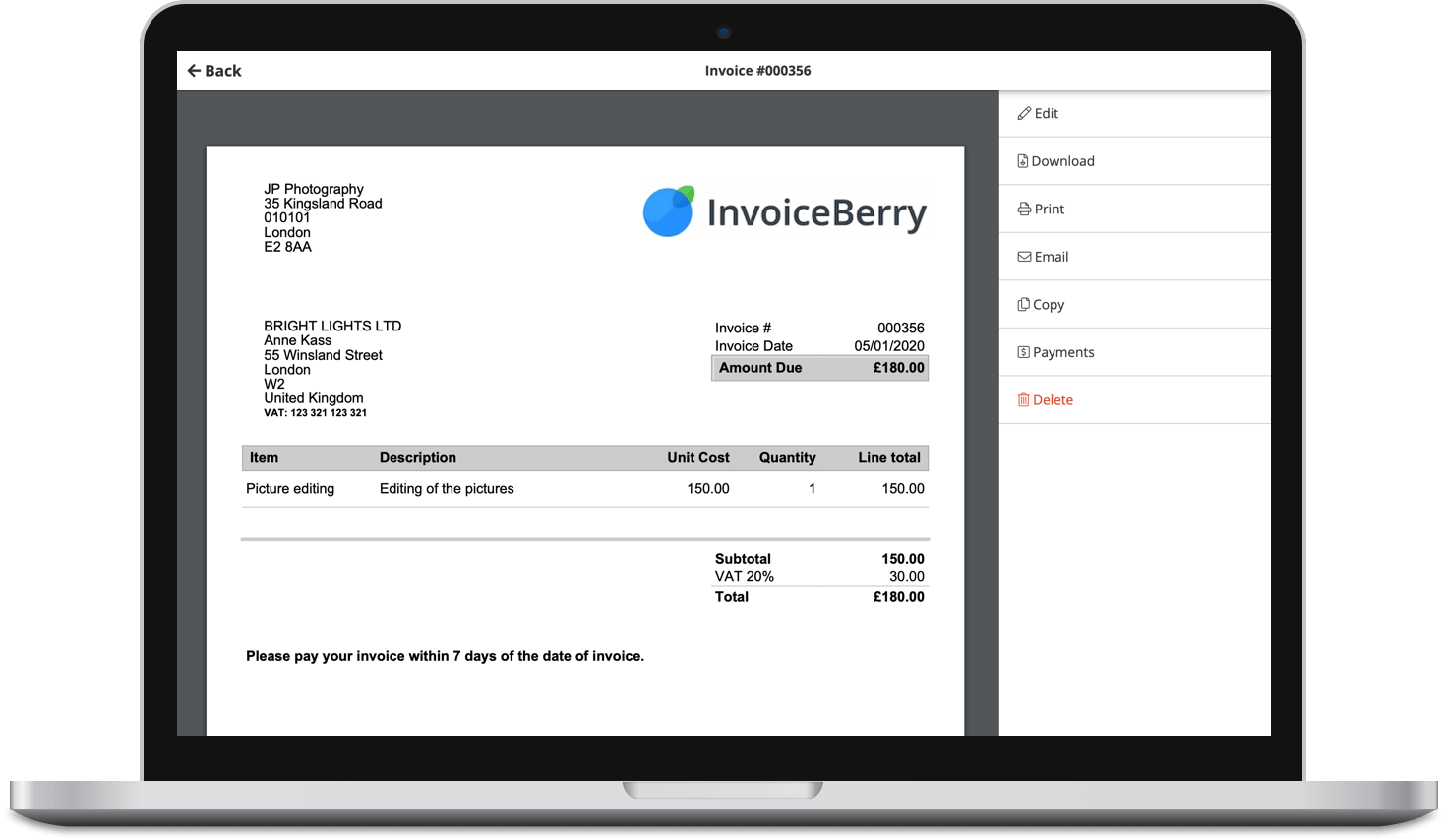
Accept online payments with ease
Keep track of who's paid you
Start sending invoices
2. Growth online doesn’t happen overnight, and that’s where digital growth strategies for small businesses come in. It’s more about consistency, showing up, improving visibility, and learning from data over time. Small, steady efforts usually beat random big moves.
3. Economic changes can make running a business unpredictable. Smart small business strategies for 2026 economic environment focus on adaptability, cost control, and understanding customer needs. Businesses that stay flexible tend to handle uncertainty much better.
4. Simple customer service tips for better support like quick responses, active listening, and personalized help, can turn a one-time buyer into a loyal customer. Small improvements here often have a big impact on reputation. To know more, read the full article.
5. Social media growth isn’t just about posting regularly. Learning how to grow small business on social media in 2026 involves understanding trends, engaging with your audience, and creating content people actually care about. Consistency and authenticity usually matter more than perfection.
Finances
1. Looking at numbers without context doesn’t help much. Knowing how to analyze an income statement allows you to understand profitability, expenses, and overall business performance. Once you read it properly, it becomes easier to make smarter financial decisions.
2. The way people manage wealth keeps evolving with the market. Current wealth management trends highlight personalization, digital tools, and changing investor expectations. Staying aware of these shifts helps individuals and firms plan more effectively.
3. Exploring profitable self-employment ideas for financial freedom shows how skills can be turned into income through freelancing, digital products, or small online businesses. Most ideas don’t require heavy investment and can grow over time. The focus is on choosing something practical and building it consistently.
4. Not all finance is simple budgeting some of it gets pretty technical. Quantitative finance uses math, data, and models to analyze markets and manage risk. It’s the kind of approach often used behind the scenes in large financial decisions.
5. Income from content creation can go up and down a lot. That’s why financial planning for influencers and creators matters, especially when it comes to saving, taxes, and long-term stability. Without a plan, even high earnings can become hard to manage.
Freelancing & Entrepreneurship
1. Managing labor law compliance becomes much easier with modern management software. It helps automate tracking, store records, and reduce errors by keeping everything in one system. This saves time and makes compliance more accurate and less stressful for businesses.
2. The shift toward the future of the creator economy shows how creators are no longer just content makers they’re building full businesses. Monetization is moving beyond ads into subscriptions, products, and communities. The focus now is on long-term value instead of viral success.
3. Staying consistent is often harder than starting. Strong self-discipline for entrepreneurs comes from managing time well, avoiding distractions, and sticking to routines even when motivation drops. Over time, these habits shape how successful a business can become.
4. Planning ahead isn’t something most entrepreneurs think about early. Learning how to maximize retirement savings for entrepreneurs involves smart investing, tax planning, and consistent contributions. Small steps taken early can build significant financial security later.
5. Many solopreneurs struggle not because of lack of skill, but due to poor decisions. Common solopreneur mistakes include underpricing, inconsistent work, and weak financial planning. Fixing these habits can make a big difference in long-term income stability.
Marketing
1. For large companies, understanding customer perception is critical. Brand tracking for multinational corporations helps measure awareness, loyalty, and market position across regions. Without it, even big brands can lose direction in competitive markets.
2. Customers don’t just buy once they go through stages. Lifecycle marketing focuses on engaging people from the first interaction all the way to retention and loyalty. When done right, it builds stronger relationships instead of one-time conversions.
3. Generic marketing is slowly losing its impact. Marketing personalization centers on tailored messages, user data, and customized experiences that feel relevant to each customer. People are more likely to engage when content speaks directly to them.
4. Marketing is becoming more experience-driven than ever. Sensory branding in digital marketing uses visuals, sound, and interaction to make brands more memorable. Engaging multiple senses helps create stronger emotional connections with audiences.
5. Customers are becoming more careful about what they believe. Trust-based marketing in 2026 focuses on transparency, authenticity, and building long-term relationships instead of quick sales. Brands that earn trust tend to keep customers for longer.
We hope you found our May roundup on small business and freelancing informative and updated. It will help you grow your business with the right financing, marketing, and tools. Stay tuned for the next one!