

The trucking industry is highly competitive.
If you want to succeed, you need to know how to market your company to your target audience.
Try our online invoicing software for free

Accept online payments with ease
Keep track of who's paid you
Start sending invoices
Sure, your company may have quality vehicles and a stellar on-time delivery rate. This is fantastic and shows your business’s overall effectiveness.
But it all comes down to how you deliver this information to your target audience.
Marketing could be the difference between experiencing high growth and enduring spiraling failure.
But the world of marketing isn’t easy to navigate.
Thankfully, we’re here to help.
In this article, we’ll walk you through 10 of the best marketing strategies and best practices a trucking company can implement to achieve success.
Let’s take a look.
1. Prepare your marketing plan
Before you do anything, you have some homework.
This information-gathering phase is instrumental in creating a marketing plan that can put you at the top of the trucking industry.
The first step in this preparation period is goal-setting.
Make sure the goals for your trucking services are SMART. This term has nothing to do with intelligence. It’s an acronym that means Specific, Measurable, Achievable, Relevant, and Time-Bound.


For instance, a SMART goal might be to grow your trucking services by 15% in the fourth quarter. Whether it’s achievable depends on your place in the trucking industry and your target audience.
Speaking of your target audience, they’re next on our list.
Conduct in-depth demographic research to ensure you’re marketing to the right audience.
You need to know who to target, what they struggle with, how they consume content, and what specific terms they search for.
If you target keywords like “truck” or “trucking,” it’s possible you’ll attract an irrelevant audience looking for a truck or RV rental. Instead, focus on long-tail keywords with high search volume and low competition that speak to your core services.
These might be “fleet management companies” or “long-haul trucking services.” You could also create practical content around operating costs, such as how to choose the best fuel cards for managing fuel spending across a fleet. Then, sprinkle in semantic keywords where relevant.
(More on SEO in a bit.)
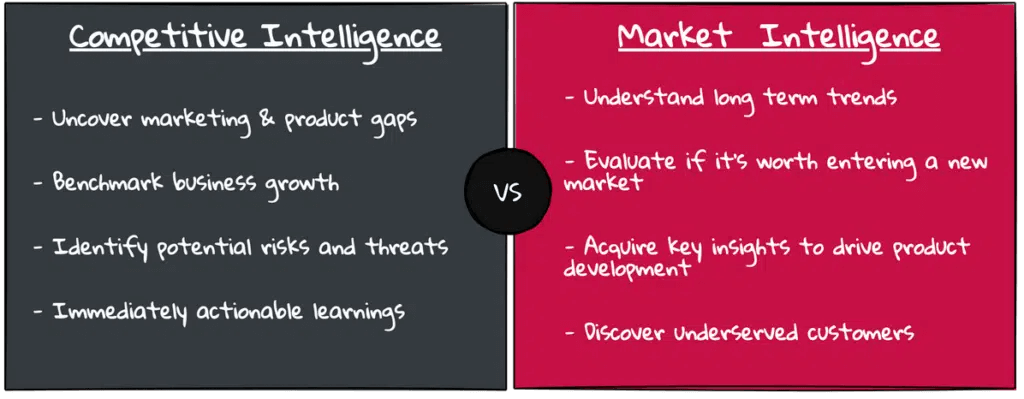
Then comes the competitor analysis.
Successful trucking businesses leverage cutting-edge tools for competitor analysis and high-authority backlink research to gain a strategic edge. Understanding marketing gaps and competitors’ moves is crucial.
By knowing not just where you stand but how to fill in the gaps, you position your business for sustained growth and a competitive advantage.

Before launching a campaign, create your sales playbook. This vital document is a guide for your sales strategies. But it’s also a way to ensure every team member aligns with the most effective techniques when selling to your identified target audience.

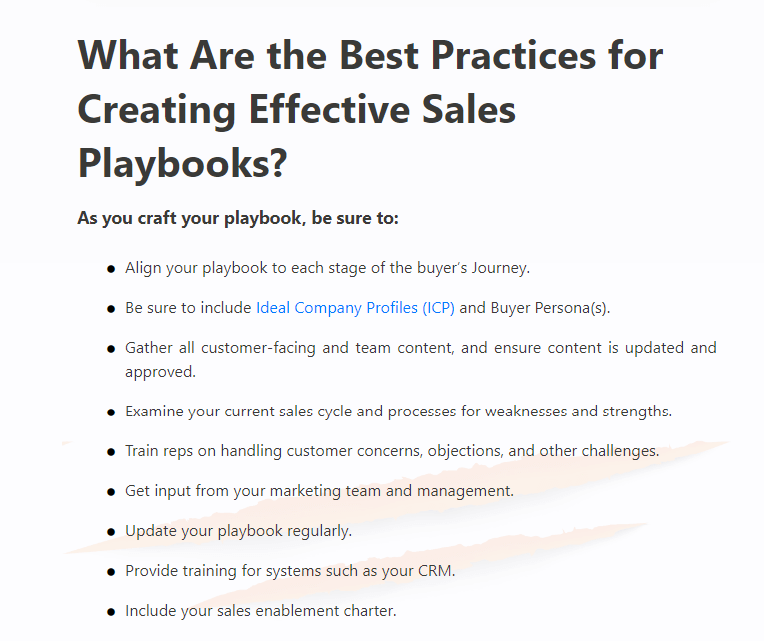
A well-structured sales playbook helps you identify strengths in your sales strategies and replicate them to maximize results.
2. Update your trucking company website
In 2026, a strong online identity is essential for trucking businesses. Shippers, brokers, and logistics partners increasingly evaluate carriers online before initiating contact. Without a professional digital presence, even established fleets risk being overlooked.
Your website is your brand’s online home and the centerpiece of that presence. A well-structured website allows trucking companies to showcase services, coverage areas, safety standards, certifications, and reliability on their own terms.
More importantly, it gives you full control over your brand narrative, which is why it’s essential to build your own website is far more effective than relying solely on third-party platforms or directories.
From there, tailor your website’s layout and features to your target audience.
- What do they want to see?
- Is the site easy to navigate?
- Does it guide them to request a quote or book your services quickly?
The user experience should be at the forefront of your mind when creating or updating your website.
3. Establish a social media presence
Every business needs to be on social media.
However, the best social media platforms for you depend on your target audience.
What are their preferred social platforms? Since most trucking company customers are businesses, LinkedIn would be a solid choice. This professional social media platform is a great networking opportunity that beats handing out business cards.

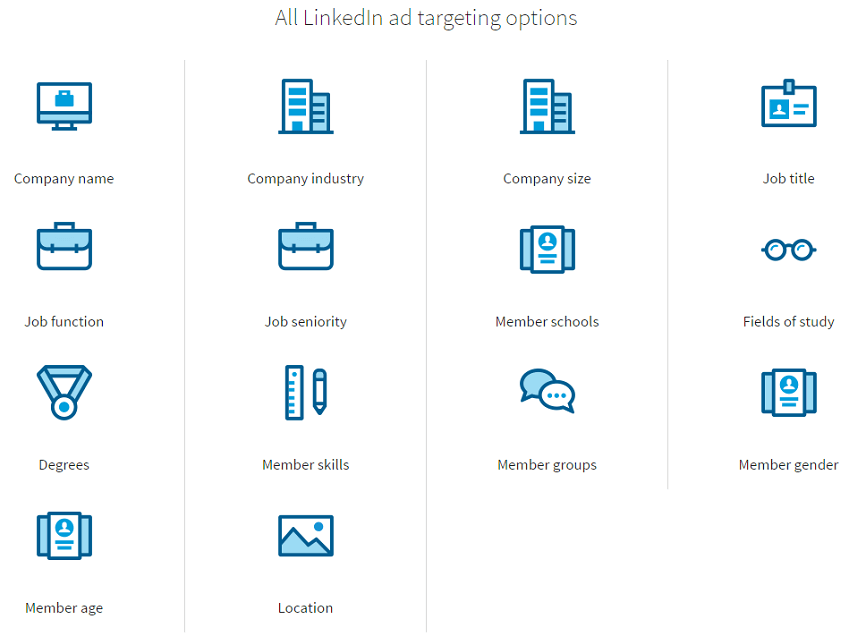
If your audience is on Facebook, make sure you have a Facebook page, too. Post regularly with content designed with them in mind. Address and solve their pain points to draw them in and build rapport. A social media wall can also help you bring your latest social media content together and showcase your brand activity in one place. Maintaining the same messaging and visual identity across every platform helps build trust over time, which is why many businesses look at Brand Consistency Examples when refining their marketing efforts.
You can also run social media ads to get more eyes on your trucking business.
Try boosting posts to a targeted audience segment. Set your ideal budget and use captivating visuals to draw in potential customers.
4. Start a blog for your company
To stand out in a crowded 2026 market, trucking businesses should market themselves not just as long-haul carriers but as precision logistics partners. One of the most effective ways to increase margins is to offer and actively promote a same-day delivery courier service for high-priority local or regional clients.
Marketing this specialized speed allows you to target medical, legal, and manufacturing sectors that depend on immediate transport. Instead of competing as a “commodity” trucking provider, you position your brand in the more profitable world of expedited freight and time-sensitive logistics.
A company blog is one of the most effective ways to communicate this positioning. By publishing content around specialized services, delivery speed comparisons, and industry-specific use cases, you can attract high-intent search traffic while clearly explaining your value.
For example, you could write articles comparing standard trucking services to same-day courier delivery, or explaining when expedited freight makes sense for medical, legal, or manufacturing clients. These topics not only support SEO but also educate prospects before they ever contact your sales team.


This is especially true if we’re talking about a company that focuses on similar areas, such as specialized transportation or expedited delivery. Customers looking for tailored delivery solutions may care about these differences if they’re shown in the right way.
When you create a blog page, post regularly. Google loves to see new, fresh content.
TOP TIP: If you need help drafting clear and engaging sections quickly, an AI Paragraph Generator can assist in creating well-structured content while maintaining consistency across your blog.
5. Use email marketing platforms
Email marketing can be a highly effective way to reach your target audience.
By sending promotional announcements and newsletters to subscribers, you keep your customers informed and push them back into your sales funnel.
When sending email blasts, it’s best to use an email marketing tool that automates the process. Not only can you schedule your emails to go out at the best times, but you can also gather actionable data to improve future email campaigns.


This includes insights from tracking important metrics, such as email open rates, unsubscribe rates, click-through rates, your DMARC report, and more.
6. Use automation tools
With so many tasks associated with marketing and running your trucking business, it’s important to use quality tools to take the burden off your shoulders.
Automation tools can handle mundane or repetitive tasks on their own, freeing up time for human employees to enhance productivity.
A quality CRM, email marketing platform, social media scheduler, AI chatbot, and more can be essential for your marketing success.
As automation evolves, AI agents are taking this a step further. Unlike basic tools that execute predefined tasks, AI agents can analyze inbound leads, prioritize prospects, personalize outreach, and even optimize campaigns in real time without constant manual oversight.
For growing trucking businesses, this means faster response times, smarter resource allocation, and marketing systems that improve themselves over time.


Having a strong incident response strategy plays a critical role in protecting brand reputation and customer trust. As trucking companies increasingly rely on digital platforms for logistics coordination, customer communication, and marketing automation, operational disruptions or cybersecurity incidents can quickly undermine ongoing marketing efforts.
A well-defined incident response plan ensures issues are addressed swiftly and transparently, minimizing downtime and reputational damage. This level of reliability reinforces brand credibility, supports long-term customer relationships, and strengthens marketing messages centered on dependability, safety, and professionalism, key differentiators in a competitive trucking market.
Automation platforms can also handle internal processes, creating more time to focus on marketing efforts.
For instance, scheduling issues might overwhelm a scaling truck business looking to hire more drivers. It can benefit from automating its employee roster with an online rostering app. Then, it’s a simple matter to plan upcoming shifts and easily rearrange whole rosters.

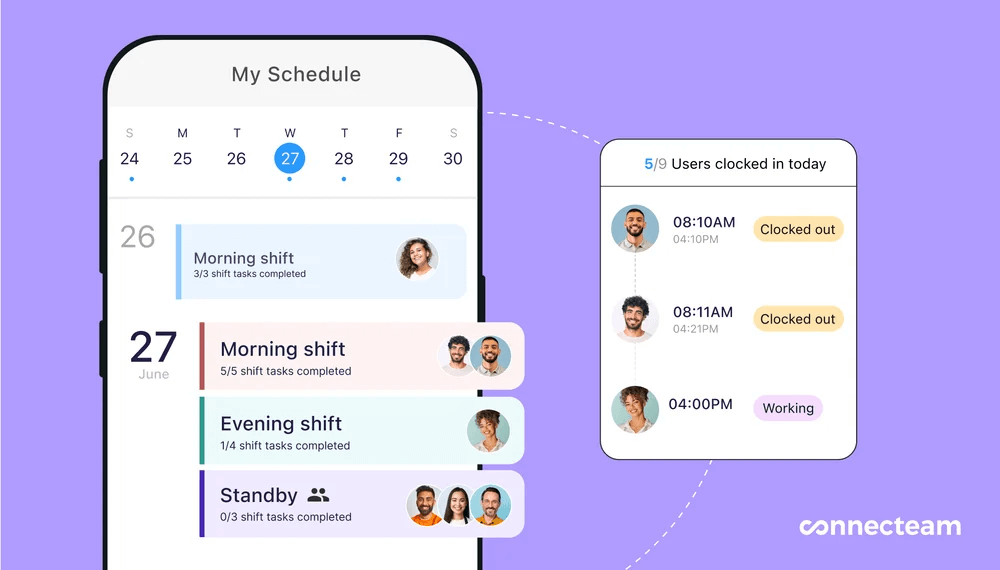
There are also automation tools that can handle HR requests for PTO, payroll, assembling tax information, and more.
To build the best automations for your business, carve out time to meet with a tech stack consultant or operations director with experience in your industry and niche. They can help you research, test, and choose the best apps to help you automate your marketing campaigns and internal processes.
Otherwise, you’ll have to schedule time to manually test and implement the tools yourself.
7. Gather and use customer reviews
Modern customers are constantly inundated with marketing messaging.
This is why they often turn to peer reviews when researching a product or service.
By gathering reviews from satisfied customers, you’ll have more trustworthy messaging for your marketing efforts.
For instance, consider adding a reviews and testimonials section on your website so prospects can see what paying customers have to say about what you offer.
Try mixing it up with written reviews and video testimonials. Video can be highly effective and more convincing.
Other channels where you can list customer testimonials include:
- Social media platforms
- Landing pages
- Advertisements
- Any place potential customers might stumble upon your brand
8. Optimize your website for search engines
Search engines like Google play a major role in modern digital marketing.
Through search engine optimization (SEO), trucking companies like yours can optimize website content for search results. This helps anyone searching for specific terms relevant to your business to find you first.
Remember to focus on long-tail keywords with low competition and high search volume first.
SEO requires content tweaks on and off your page. It’s more than just sprinkling keywords into your homepage or blog posts.

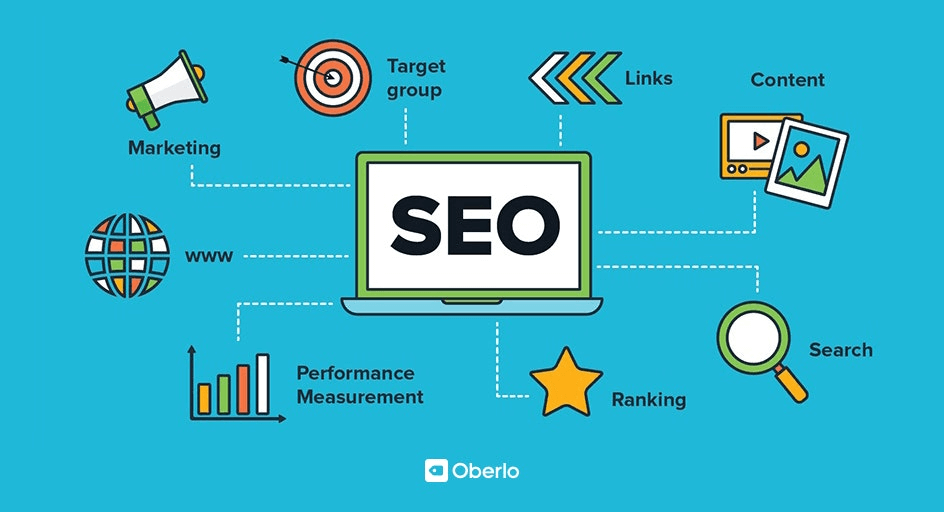
The process involves optimizing image titles and descriptions, back-end website features like meta titles and descriptions, and building links both on and off your page.
Additionally, Google’s search algorithm is constantly changing. If you don’t keep up with the latest updates, you might lose search engine placement.
This is why most companies turn to outside services to manage their SEO campaigns. These SEO agencies live, sleep, eat, and breathe the Google algorithm.
You just need to find one that meets your needs and budget.
As an alternative, consider meeting with an SEO strategist.
9. Track your progress and adjust
Marketing is not a set-it-and-forget-it-process.
It’s an evolving journey between a company and its target audience. This is why it’s vital to check in on your marketing progress periodically.
For instance, if you discover your site is getting a lot of traffic from LinkedIn Ads but not much from Facebook, adjust your budget to filter more capital into the most profitable venture.
Use data visualization tools to better understand performance metrics and make data-driven decisions. These tools are especially helpful in measuring marketing efficiency, sales growth, and customer satisfaction.

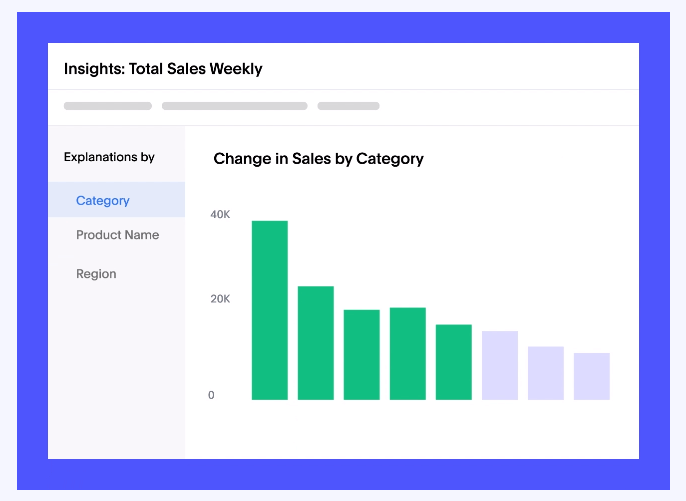
You can use them to generate visual representations, such as charts, graphs, maps, and dashboards. Apply insights from the data you analyze to help solidify your value proposition, highlight your competitive edge, and attract new customers.
10. Create and distribute calls to action (CTAs)
Plan and integrate relevant calls to action (CTAs) throughout your landing pages, email campaigns, website, blog posts, and social media profiles. Use them in your ads, too, to boost conversions.
Make sure your CTAs line up with your marketing and sales goals.
For instance…
You might use lead magnet CTAs on social media to build your email list. In your email marketing campaigns, you might use sales-focused CTAs to encourage prospects to head to your site to book your services. On your website, you might use checkout-focused CTAs to nudge visitors to complete their purchases.
Wrap up
Trucking companies like yours face many challenges.
There’s stiff competition, all vying for the same audience.
By understanding how to create efficient and captivating marketing processes, you can attract your ideal customers and nudge them to conversion.
Implement the strategies and best practices listed above to find your audience and deliver messaging in a way that promotes more sales and profit.
Here’s to your success!
P.S. Looking for more tips to grow your business? Check out InvoiceBerry’s blog posts for more information.