

Independent medical practices face increasing financial pressure in today’s healthcare environment. Rising operational costs, staffing shortages, changing payer requirements, and delayed reimbursements can significantly impact a practice’s financial stability. While physicians often focus on delivering quality patient care, inefficient invoicing processes can quietly create cash flow problems that affect the entire organization.
Cash flow is the lifeblood of any medical practice. Even profitable practices can experience financial stress if payments are delayed, claims are rejected, or patient balances remain unpaid for extended periods. Fortunately, better invoicing strategies can help independent practices accelerate payments, reduce administrative burdens, and maintain healthier financial performance.
Try our online invoicing software for free

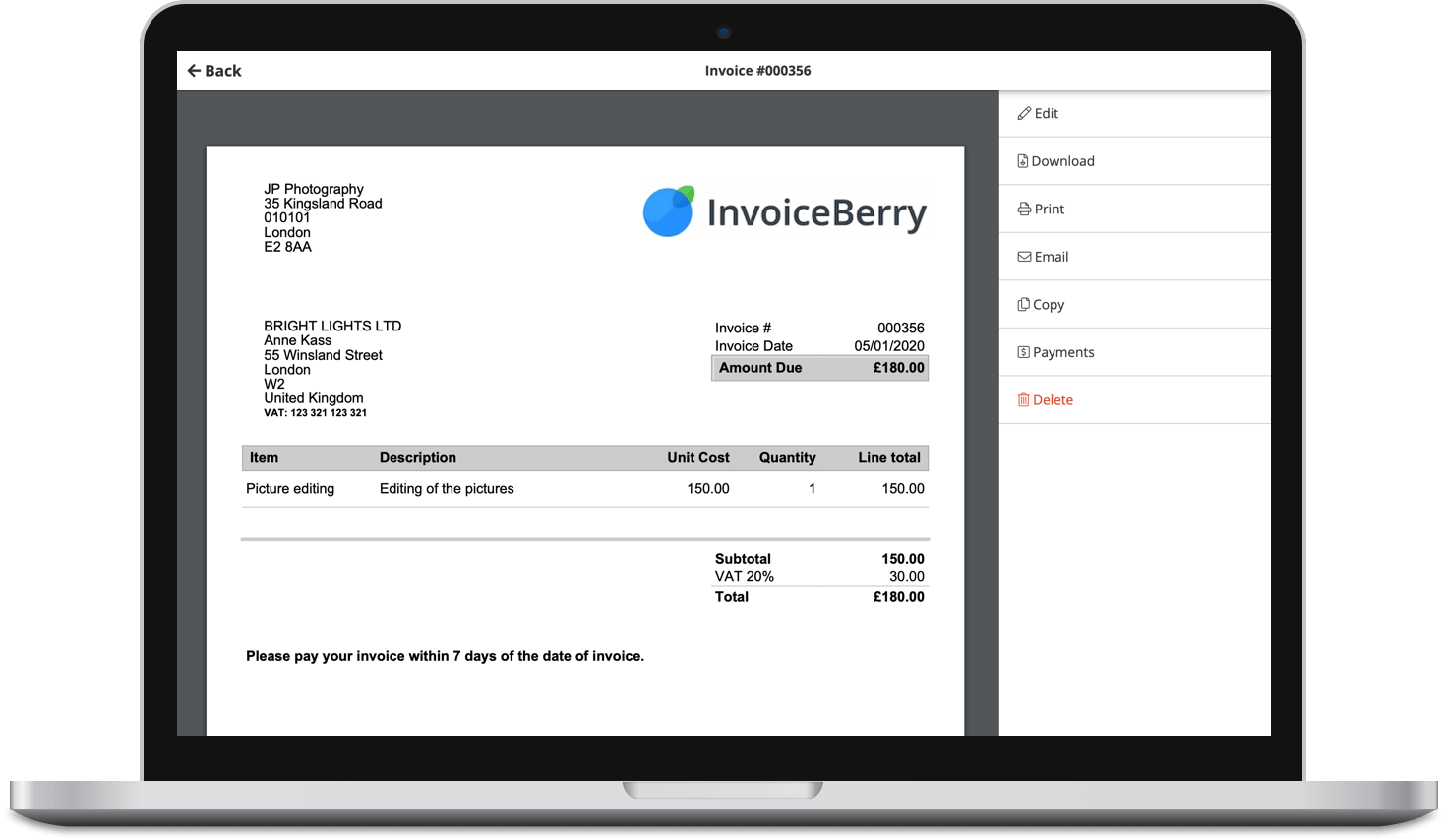
Accept online payments with ease
Keep track of who's paid you
Start sending invoices
This article explores practical ways independent healthcare providers can improve cash flow through smarter invoicing practices and the strategic use of technology.
Why Cash Flow Matters for Independent Practices
Cash flow refers to the movement of money into and out of a business. In healthcare, positive cash flow ensures that practices can:
- Pay staff salaries on time
- Purchase medical supplies and equipment
- Invest in technology upgrades
- Cover operational expenses
- Expand services when needed
- Maintain financial stability during economic uncertainty
Many practices focus heavily on revenue generation but overlook the importance of collecting payments efficiently. Delays in invoicing and collections often create unnecessary financial strain.
According to healthcare revenue cycle experts, even minor inefficiencies in billing and invoicing can result in thousands of dollars in delayed revenue each month. For smaller practices operating with limited margins, this can become a serious challenge.
Common Invoicing Challenges in Medical Practices
Before improving invoicing processes, it is important to understand the most common obstacles that affect cash flow.
Delayed Claim Submission
Many practices wait several days or even weeks before submitting claims. Every day a claim remains unsubmitted delays payment and increases the likelihood of revenue bottlenecks.
Coding Errors
Incorrect coding remains one of the leading causes of claim denials and reimbursement delays. Missing modifiers, outdated codes, and documentation inconsistencies can significantly slow collections.
Poor Patient Billing Processes
Patients today are responsible for a larger share of healthcare costs through deductibles, copayments, and coinsurance. Practices that fail to invoice patients promptly often struggle with collection rates.
Manual Administrative Work
Manual invoicing processes increase the risk of human error while consuming valuable staff time that could be devoted to patient care and revenue-generating activities.
Lack of Financial Visibility
Without accurate reporting and analytics, practice owners may not identify cash flow issues until they become significant problems.
Implement Real-Time Eligibility Verification
One of the most effective ways to improve invoicing accuracy is verifying patient insurance information before appointments.
Insurance eligibility verification helps practices:
- Confirm active coverage
- Identify copay requirements
- Detect deductible obligations
- Prevent claim rejections
- Reduce billing disputes
When eligibility checks occur before patient visits, practices can collect appropriate payments at the point of service rather than pursuing balances afterward.
This proactive approach improves cash flow while reducing administrative workload.
Invoice Patients Quickly and Consistently
Many practices lose revenue because patient statements are sent too late.
The longer a practice waits to invoice a patient, the lower the likelihood of prompt payment. Patients are more likely to pay when charges are fresh in their minds.
Best practices include:
- Sending invoices immediately after claim adjudication
- Offering digital statements
- Providing email and text reminders
- Allowing online payment options
- Establishing consistent billing schedules
Automated patient invoicing systems can dramatically improve collection timelines compared to traditional paper-based methods.
Reduce Claim Denials Before They Occur
Preventing denials is far more efficient than appealing them.
Practices should establish workflows that identify potential errors before claims are submitted. Common prevention strategies include:
- Automated claim scrubbing
- Accurate clinical documentation
- Regular coding audits
- Staff training programs
- Updated coding references
When clean claims are submitted the first time, reimbursements arrive faster and administrative costs decrease.
Utilize Modern Practice Management Technology
Technology plays a critical role in improving invoicing efficiency.
Modern practice management software integrates scheduling, billing, claims management, reporting, and patient communication into a single platform.
These systems help practices:
- Automate invoice generation
- Track outstanding balances
- Monitor claim status
- Generate financial reports
- Reduce manual data entry
- Improve workflow efficiency
By centralizing administrative processes, practices can reduce delays that negatively impact cash flow.
Many healthcare organizations have discovered that investing in robust practice management software delivers significant returns through improved collections and operational efficiency. This can be a major factor for customers making a purchasing decision when they’re looking at different private health insurance options.
Strengthen Front-Desk Collections
The front desk serves as the first line of defense against cash flow problems.
Collecting copayments and outstanding balances during patient check-in can significantly improve revenue collection rates.
Successful front-desk collection strategies include:
- Verifying insurance before appointments
- Discussing financial responsibility upfront
- Offering payment plans when appropriate
- Accepting multiple payment methods
- Training staff on financial conversations
Patients generally respond more positively when financial expectations are communicated clearly before services are provided.
Adopt Automated Payment Solutions
Patients increasingly expect the same payment convenience they experience in other industries.
Practices that offer flexible payment options often collect balances more quickly.
Examples include:
- Online payment portals
- Mobile payments
- Credit card processing
- Automated recurring payments
- Digital wallets
Automated payment solutions reduce friction during the payment process and improve overall collection performance.
Leverage Medical Billing Analytics
Data-driven decision-making can uncover hidden cash flow opportunities.
Key performance indicators (KPIs) worth monitoring include:
- Days in accounts receivable
- Clean claim rate
- First-pass resolution rate
- Collection rate
- Denial rate
- Average reimbursement time
Regular review of these metrics helps practices identify inefficiencies and implement targeted improvements.
Analytics dashboards available within modern medical billing software can provide real-time visibility into financial performance.
Improve Documentation Accuracy
Clinical documentation directly impacts invoicing success. For EMS organizations, ePCR software helps crews capture the details that billing teams need to code and submit claims accurately.
Incomplete or inconsistent documentation often leads to:
- Coding errors
- Claim denials
- Delayed reimbursements
- Compliance risks
Providers should establish standardized documentation practices and ensure records support billed services appropriately.
Advancements in AI EHR technology are helping clinicians improve documentation quality while reducing administrative burden. AI-powered systems can assist with note generation, documentation review, and coding recommendations, helping practices create cleaner claims from the start. Partnering with experienced medical record abstraction services can standardize chart review, surface documentation gaps, and deliver coding-ready data—improving clean-claim rates, accelerating invoicing, and reducing denials.
Streamline Revenue Cycle Management
Invoicing should not be viewed as an isolated activity. It is one component of the broader revenue cycle.
A comprehensive revenue cycle strategy includes:
- Patient registration
- Insurance verification
- Charge capture
- Coding
- Claim submission
- Payment posting
- Patient invoicing
- Collections
- Reporting and analysis
When these stages operate efficiently together, practices experience stronger cash flow and reduced financial leakage.
Many organizations utilize advanced medical billing software to automate revenue cycle workflows and minimize delays.
Use Predictive Technology and Artificial Intelligence
Artificial intelligence is transforming healthcare administration.
Modern AI solutions can identify patterns that contribute to cash flow problems before they become serious issues.
AI-powered tools can help:
- Predict claim denials
- Identify missing documentation
- Detect coding inconsistencies
- Prioritize collection activities
- Forecast revenue trends
The integration of AI EHR systems with billing workflows allows practices to improve both clinical and financial performance simultaneously.
As healthcare technology continues evolving, AI-driven automation is expected to become a standard component of successful practice operations.
Establish Clear Financial Policies
Many collection challenges arise because patients do not fully understand their financial obligations.
Practices should develop clear financial policies covering:
- Copayment requirements
- Deductible responsibilities
- Payment timelines
- Collection procedures
- Payment plan options
These policies should be communicated consistently through:
- New patient forms
- Practice websites
- Appointment reminders
- Front-desk discussions
Transparency helps reduce billing disputes and encourages faster payments.
Train Staff Regularly
Even the best technology cannot compensate for inadequate staff training.
Billing and administrative personnel should receive ongoing education regarding:
- Coding updates
- Insurance requirements
- Compliance regulations
- Collection techniques
- Software functionality
Well-trained employees are more likely to identify issues before they impact revenue.
Regular training also improves operational consistency across the practice.
Consider Integrated Healthcare Platforms
Healthcare technology continues moving toward integrated ecosystems that combine clinical and administrative functions.
For example, platforms such as CureMD provide electronic health records, practice management capabilities, and billing workflows within a unified environment. These integrated systems can help reduce data silos and improve communication between clinical and financial operations without requiring multiple disconnected solutions. Clinics can use a patient management platform to keep appointments and billing activity connected, reducing missed charges and delayed invoices.
The primary benefit of integration is that information flows more efficiently between departments, reducing delays that can impact invoicing and reimbursement timelines.
4 Integrated Healthcare Platforms to Consider
Healthcare technology increasingly connects clinical, administrative, and financial workflows in the same system. For independent medical practices, an integrated platform can reduce duplicate data entry and make it easier to keep scheduling, patient information, billing, payments, and reporting connected.
Here are four platforms practices can consider.
1. CureMD
CureMD combines electronic health records, practice management, medical billing, and patient engagement tools in one healthcare platform.
Its practice management capabilities include scheduling, insurance eligibility checks, patient balance collection, claims and remittance, denial management, reporting, and patient communication. Because clinical and financial workflows are connected, practices can manage more of the billing cycle without constantly transferring information between separate systems.
For independent practices dealing with insurance billing and claims, CureMD is particularly relevant when revenue cycle workflows are a major part of the technology decision.
2. Pabau
Pabau is an all-in-one practice management platform for clinics and medical practices, built for medical work rather than adapted from salon software. It brings patient records, scheduling, clinical documentation, payments, invoicing, communication, and reporting into one system. One patient record runs across every modality and every location.
For growing independent, multi-practitioner practices, Pabau keeps financial activity connected to the wider patient journey. Practices can collect deposits through online booking, create invoices, take payments, and track outstanding balances alongside the same patient record used for appointments and clinical workflows.
This makes Pabau particularly relevant when a practice is adding providers, new services, or locations and wants to avoid adding separate tools for booking, records, payments, and administration. Reporting can also be consolidated across locations as the practice expands.
Every plan includes the complete core platform, priced by team size.
3. AdvancedMD
AdvancedMD combines EHR, practice management, billing, patient engagement, and reporting tools for independent healthcare practices.
Its practice management functionality connects scheduling with insurance verification, claims management, patient billing, electronic remittance, and collections. Patient-facing tools such as digital intake, secure messaging, payment portals, and appointment management are also part of the wider platform.
For practices that want clinical workflows and more extensive billing capabilities within the same software environment, AdvancedMD provides a broad set of tools spanning the patient journey from scheduling and documentation through claims and payment collection.
4. Tebra
Tebra is an operating platform for independent healthcare practices that combines EHR, billing, payments, telehealth, and patient experience tools.
Its billing capabilities include claims creation and tracking, insurance eligibility checks, denial management, payment posting, patient billing, and financial reporting. These workflows connect with clinical documentation and practice operations, while patient-facing capabilities include online scheduling, digital intake, reminders, secure messaging, and portal access.
Tebra is particularly relevant to independent practices that want clinical, financial, and patient experience tools connected within the same technology ecosystem.
Choosing an integrated healthcare platform ultimately depends on where a practice experiences the most friction. Some practices need deeper insurance and revenue cycle functionality, while others need practice management, patient records, payments, and operational workflows to work together. The important question is whether the platform reduces disconnected processes rather than introducing another isolated system.
Monitor Accounts Receivable Aggressively
Outstanding accounts receivable represent money that belongs to the practice but has not yet been collected.
Effective AR management includes:
- Reviewing aging reports weekly
- Following up on unpaid claims promptly
- Escalating overdue balances
- Identifying recurring denial patterns
- Prioritizing high-value accounts
Practices that actively manage AR typically experience faster collections and improved cash flow.
Waiting too long to address unpaid balances often decreases the likelihood of successful recovery.
Conclusion
Cash flow challenges are among the most significant threats facing independent medical practices. Fortunately, many of these challenges can be addressed through better invoicing processes, stronger revenue cycle management, and strategic technology adoption.
By improving claim accuracy, accelerating patient invoicing, automating payment collection, monitoring financial metrics, and utilizing modern tools such as practice management software, medical billing software, and AI EHR solutions, practices can create a more predictable and sustainable revenue stream.
Better invoicing is not simply an administrative improvement—it is a financial strategy that supports long-term growth, operational stability, and the ability to continue delivering high-quality patient care. Independent practices that prioritize invoicing efficiency today will be better positioned to thrive in an increasingly complex healthcare environment tomorrow.