
Running a small business has never been risk-free. But lately the list of things that can derail operations has gotten longer.
A few years ago, inflation, staffing, and staying competitive were the main concerns. Those haven’t gone away – but the picture looks different now. Fraud is more sophisticated. Customers expect more, faster. Regulations keep shifting. Uncertainty has stopped being an occasional problem and started being a permanent condition.
Try our online invoicing software for free

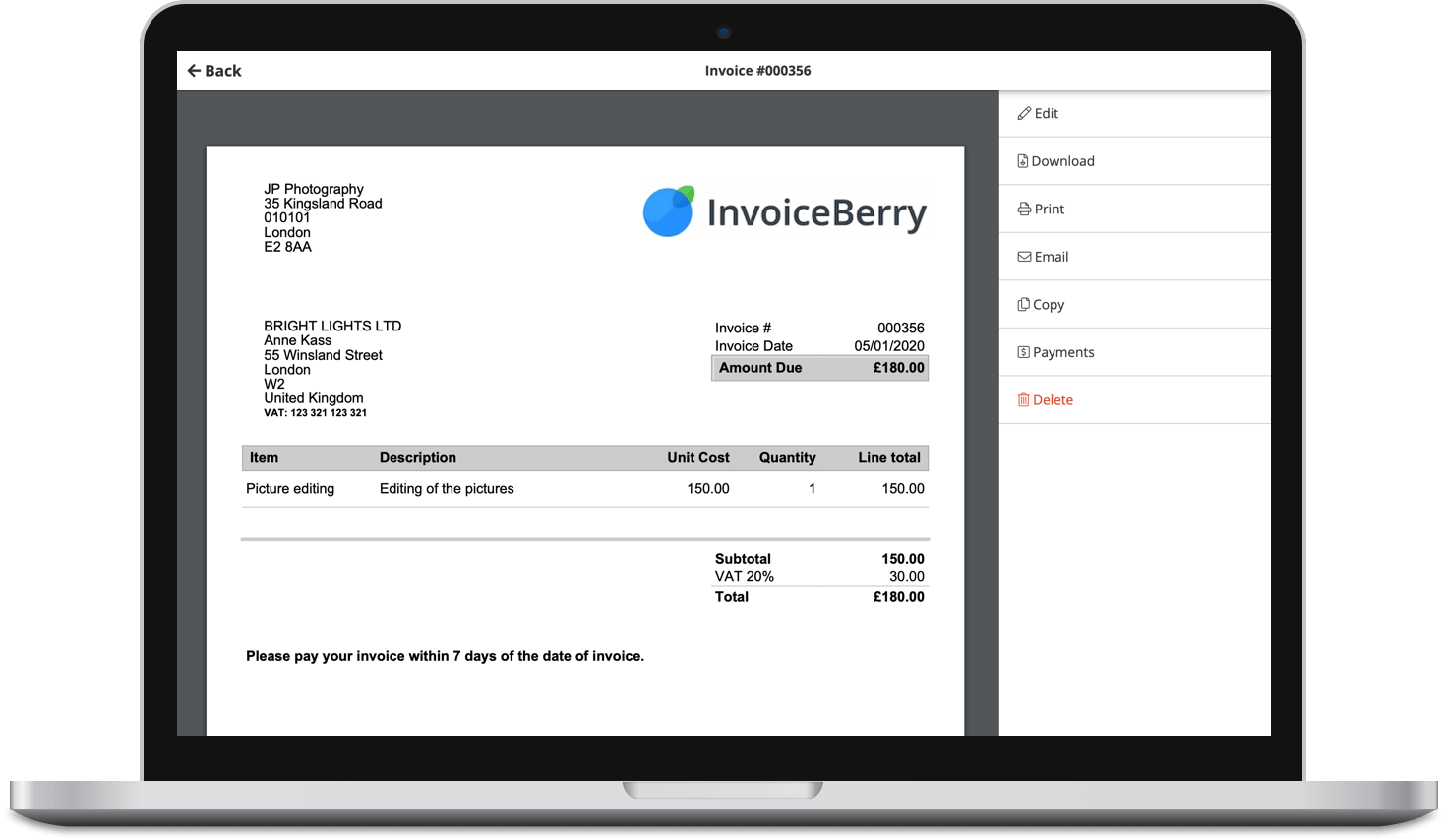
Accept online payments with ease
Keep track of who's paid you
Start sending invoices
Looking ahead to 2026, here are eight financial risks small business owners should keep on their radar – and, more importantly, start planning for before they become expensive surprises.
Cash Flow Pressure Will Still Catch Businesses Off Guard
If there’s one issue that keeps coming up across industries, it’s cash flow.
Profitability isn’t always the problem. Plenty of businesses are technically in the black but still struggle because money comes in too slowly while the bills keep arriving on schedule. Rent, payroll, inventory, subscriptions, insurance – none of that pauses because a client is late.
In 2026, payment cycles have become less predictable in certain sectors. Businesses are holding onto cash longer, approving invoices more slowly, and spending more carefully than before.
That creates pressure downstream.
A few practical habits tend to help:
- Build a realistic emergency reserve, even if it grows slowly
- Review payment terms regularly rather than leaving old agreements untouched
- Avoid overcommitting based on projected revenue
- Keep a closer eye on recurring expenses that steadily increase over time
Cash flow problems rarely appear overnight. They usually build gradually until options become limited.
AI-Driven Fraud Is Getting Harder to Spot
Fraud has moved well beyond badly written emails. Voice cloning, fake invoices, impersonation attempts, manipulated identities – the scams are more convincing than they used to be and harder to catch. Small businesses get targeted precisely because attackers assume the internal controls won’t be as tight.
A supplier asking to “update banking details” used to raise obvious concerns. Today, communication can appear legitimate enough to pass a quick review.
This is especially risky for businesses onboarding users or partners remotely. That is one reason more companies are starting to rely on an ID verification service when handling account creation or sensitive transactions. Verifying who someone actually is has become a practical safeguard rather than something only heavily regulated industries worry about.
Trust still matters in business. But verification matters too.
Rising Operational Costs Are Not Slowing Down
Many business owners hoped that cost volatility would have stabilized by now.
In reality, expenses continue shifting – just in different ways.
Shipping costs fluctuate. Insurance premiums increase. Software subscriptions rise year after year. Labor costs remain unpredictable in many, many markets.
The difficult part is that these increases often happen gradually. Businesses absorb them one by one until margins start shrinking without anyone fully noticing.
By 2026, cost management will likely matter just as much as revenue growth.
That doesn’t necessarily mean aggressive cuts. In many cases, it means asking more practical questions:
- Are subscriptions still necessary?
- Are vendors still competitive?
- Is pricing keeping pace with costs?
Sometimes profitability improves simply because owners take a harder look at what has slowly accumulated over time.
Growing Customer Payment Risk
Late payments are frustrating. Non-payment is worse.
Small businesses often extend trust too quickly – especially when they’re trying to grow or close a promising deal. A large contract is exciting, and that excitement can push normal checks aside.
But delayed invoices turn into cash flow pressure fast. In industries where payment terms run to 30, 60, or 90 days, the exposure can become serious before anyone’s noticed it building.
A few warning signs deserve attention:
- Customers pushing aggressively for long payment terms
- Inconsistent communication after contracts are signed
- Last-minute changes to billing arrangements
- Unclear company information or ownership details
Sometimes saying “not yet” to a risky customer is financially healthier than chasing overdue invoices six months later.
Cybersecurity Is Becoming a Financial Problem, Not Just a Technical One
Small businesses often assume they’re too small to be worth targeting. Attackers tend to see it the other way – smaller means easier.
A cyberattack doesn’t just mean stolen data. Downtime, ransom demands, legal costs, lost customers, payments that don’t go through. Even a compromised email account can turn into a costly mess.
In 2026, cybersecurity planning will increasingly become part of financial planning.
That may include:
- Stronger password management
- Multi-factor authentication
- Staff awareness training
- More secure payment approval processes
- Regular software updates
None of these steps are glamorous, but they’re usually a lot cheaper than recovering from a breach.
Regulatory Costs May Increase
Compliance tends to feel like background noise – until something changes. Customer verification, tax reporting, privacy requirements, fraud prevention – the expectations keep growing, and for smaller businesses, they often arrive with little warning.
The real cost usually isn’t the fine. It’s the scramble to adapt when you weren’t ready. Businesses that keep an eye on what’s coming adjust quietly. The ones that don’t end up making expensive last-minute changes under pressure.
Supply Chain Disruptions Are Still Unpredictable
Many businesses assumed supply chain problems would settle down after recent years. Some have. Others have just changed shape.
Political tensions, shipping bottlenecks, and manufacturing slowdowns still create real uncertainty – particularly for businesses that depend on overseas suppliers.
Even small delays can create larger financial effects:
- Missed customer deadlines
- Lost revenue opportunities
- Rush shipping expenses
- Inventory shortages
Relying on a single supplier has become riskier than it used to be. Businesses that go into 2026 with backup suppliers, stronger forecasting, and a clear supply chain management strategy will be in a better position when disruptions happen – and at this point, they will.
Overexpansion Can Become a Hidden Risk
Growth sounds positive – and often it is. But expanding too quickly can quietly strain finances. Hiring too fast, opening new locations before the demand is there, building up inventory without stable revenue to back it, or overestimating what the next twelve months will bring – any of these can leave a business exposed when conditions shift.
It tends to happen after a run of good results. A few strong quarters build confidence. New opportunities appear. Spending follows. Then something changes.
Healthy growth usually looks slower than people expect. Deliberate rather than reactive. The businesses that stay stable are often the ones willing to stop and ask whether growth is actually sustainable before committing to it.
A Better Approach to Financial Risk in 2026
No business owner can eliminate uncertainty. Markets move, customers change, costs go up – that’s always been true, and it isn’t changing.
The goal isn’t to eliminate risk. It’s to be in a position where you can absorb it.
Businesses that prepare early recover faster – not because they predicted everything, but because they’d already thought it through before the pressure hit. They know where the weak points are and what to do about them.
Small adjustments matter more than big overhauls. Tighter payment controls, better forecasting, more careful customer onboarding, sharper vendor reviews. None of it feels urgent – until it is.
Conclusion
The financial risks small businesses face in 2026 aren’t new. What’s changed is the pace and the complexity.
Fraud has got more sophisticated. Costs are harder to predict. Customers are less reliable than they used to be. Compliance requirements keep moving. None of that is going away.
But it’s manageable. The businesses that hold up aren’t always the biggest or the fastest-growing – they’re usually just the ones that are better prepared. Knowing your risks doesn’t mean assuming everything will go wrong. It means you’ve got enough room to absorb a surprise without it derailing everything else.
That room is what makes the difference.