
Starting a business is exciting. But it also comes with a long list of expenses. From pre-opening costs and one-time setup fees to ongoing operational business costs, everything adds up quickly.
To help you plan better, here’s a breakdown of the most common business startup costs every new small business owner should expect.
Try our online invoicing software for free

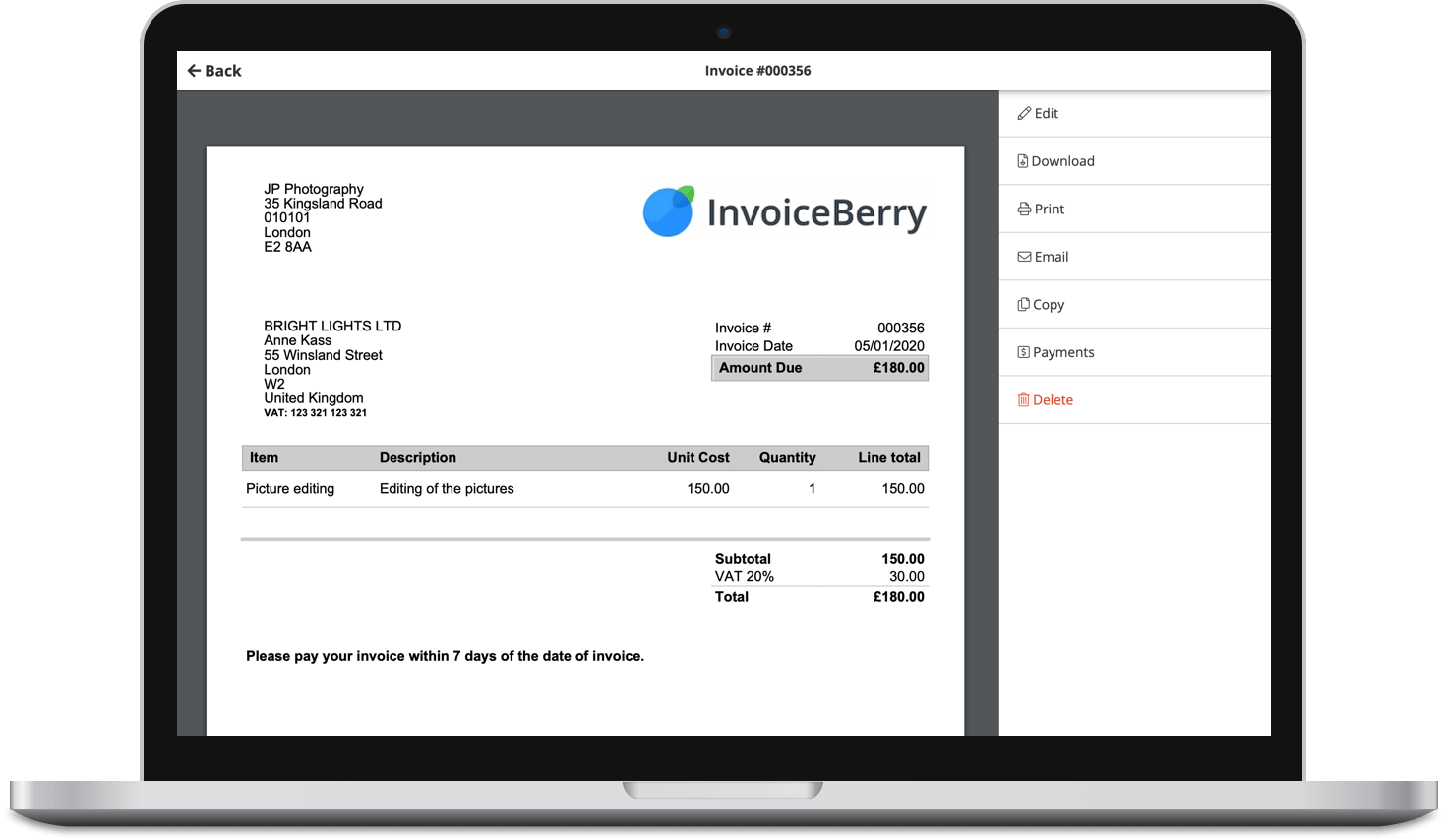
Accept online payments with ease
Keep track of who's paid you
Start sending invoices
14 Common Business Startup Costs (+ Practical Bonus Tips)
Below are the most critical business startup expenses for your entrepreneurial journey.
1. Market Research
Before starting your business, research your target market, competition, and customer needs thoroughly.
Market research costs can include:
- Purchasing market data and reports
- Conducting surveys
- Hiring a market research firm
- Using paid research tools
Bonus Tip:
There are different tools to help with different aspects of market research. If your research includes recurring checks of competitors’ public pricing pages, budget for an ISP proxy to keep a consistent IP and regional view across sessions.
Data analysis tools like Google Analytics and Dovetail help analyze consumer insights. If you’re interested in social trends, tools like Google Trends and Pew Research Center are invaluable. For monitoring competitor brand mentions, consider SpyFu and Latana. To create a lead list, try Surfe.


2. Location and Office Space
If you’re starting a brick-and-mortar startup, you’ll need the correct location or office space. You may need to lease a storefront or office, pay a deposit, or purchase property. There’s no definite cost, as this can vary depending on size, location, and type of office space rental you need.
Bonus Tip:
Opening an office is a significant step, and it’s essential to be well-prepared. Create a business plan that includes your business needs, employees, and clients. This will serve you well in the short- and long-term.
3. Permits, Licences, and Insurance
You’ll likely need permits and licenses to operate legally. Insurance is important to protect against unforeseen liabilities. This might include general liability, property insurance, or workers’ compensation. If you’re running a digital business, be aware that tax obligations can vary significantly, with each jurisdiction having its own state-by-state breakdown of requirements.
Some entrepreneurs choose to reduce regulatory complexity by forming a Wyoming LLC, which is known for its business-friendly regulations and privacy protections.
Bonus Tip:
Every business is subject to local laws and regulations. You’ll need to obtain a business license and may also have to opt for other permits and licenses, depending on your business formation type. Look into your local and state requirements first.
4. Technological Expenses
Most businesses need technology for communication, data storage, and operations. These expenses can include purchasing computers, software, internet services, and specialised tools like customer relationship management (CRM) systems or point-of-sale (POS) systems. Startups can use IT procurement services to source their hardware at retail price instead of paying markups.
You’ll also want a website to establish a solid online presence. A website serves as your global storefront. It allows you to reach audiences far beyond your local market. So, building a website is one of the significant costs you’ll need to factor into your startup budget. It’s also worth looking into an agentic AI tool such as Quiq that works like a chatbot but goes even further to assist website visitors like a real agent.
While platforms like WordPress offer a free and user-friendly content management system (CMS), hosting your website requires a WordPress-specific hosting plan, which can vary in cost depending on the provider and the features included.
If you plan to sell products online, researching various ecommerce platforms for small businesses is essential, as some charge monthly fees while others take a percentage of each sale.
Carefully research hosting options to find a plan that balances cost with the necessary performance, security, and scalability to support their growth.
When planning startup and app development costs, you should also account for data backups to protect your operations.
Optimizing these costs is crucial, especially with cloud-based solutions like AWS. Using AWS cost optimization tools can also help reduce backup expenses while ensuring data security.
Bonus Tip:
To stay on top of your monthly expenses from the start, consider using InvoiceBerry, an easy-to-use invoicing and expense management software designed for small business owners. It helps you create professional invoices in minutes, track client payments, and manage your working capital. All from one simple dashboard.
5. Equipment and Supplies
Depending on your products or services and industry, you might need specific equipment and supplies. For example, a retail business may need shelving and display cases, while a manufacturing company may need machinery and tools. Retail analytics platforms such as SPS commerce alternatives can help you keep tabs on your stock in real time, too, eliminating much of the headache retailers usually have.
Bonus Tip:
If you need additional funding for necessary equipment, finding an investor is a potential solution. The process is relatively simple: Find an investor, share your business plan, go through a due diligence review, establish terms, and (if all goes well) receive the investment.
6. Hiring and Employee Expenses
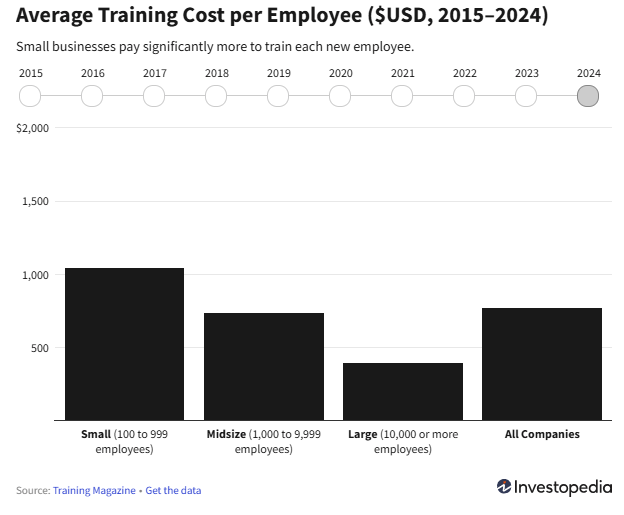
Bringing on employees involves recruitment, training, salaries, and benefits. These costs start with the hiring process and continue as ongoing payroll expenses. For example, in 2024, small companies spent more than $1,000 on training their employees.

Bonus Tip:
Implement strategies to avoid employee churn from the beginning to attract and retain top talent.
7. Advertising and Promotional Activities
An initial investment in marketing and advertising is often necessary to build brand awareness. This could include social media marketing, online ads, or email campaigns. For those focusing on organic growth, collaborating with top London SEO agencies can ensure your search strategy is optimized from day one. You may also need to nurture and engage your mailing list on an ongoing basis. Invest in marketing automation tools like GetResponse and Mailchimp, or one of the many Klaviyo alternatives available depending on your budget and needs.
Bonus Tip:
Don’t forget to consider PPC options beyond Meta and Google. Amazon offers PPC programs, too. If you’re not familiar with them, there are Amazon PPC management agencies to help.
8. Inventory
If your business sells physical products, you need to purchase inventory upfront. This initial investment is necessary to stock products and maintain inventory levels. Replenishing inventory is an ongoing cost you’ll also want to consider.
Bonus Tip:
When managing inventory, inventory management is essential. It also requires inventory management software to maintain the flow of stock and vendor relationships. Find the best inventory management solution for your business by comparing features to your business needs.
9. Office Furniture and Supplies
Setting up an office requires purchasing furniture, including desks, chairs, filing cabinets, and office supplies like stationery and printers. You’d typically buy these items upfront, but they might require replacement, or you may need additional ones over time.
Bonus Tip:
Consider upgrading your office to a co-working space or smart office if you have the funds. These technologies and flexible spaces can improve productivity and even reduce turnover.
10. Utilities and Taxes
Utilities such as electricity, water, heating, and internet are ongoing operational costs. You must also account for various taxes, including payroll, sales, and income taxes. These costs vary based on your location and revenue.
Bonus Tip:
Taxes depend on your business structure, so make sure you choose the right one for your business and that you or your accountant files your taxes properly.
11. Travel and Shipping Costs
If your business model includes shipping products or requires travel, consider these costs. Examples of travel expenses are business trips, conferences, or client meetings.

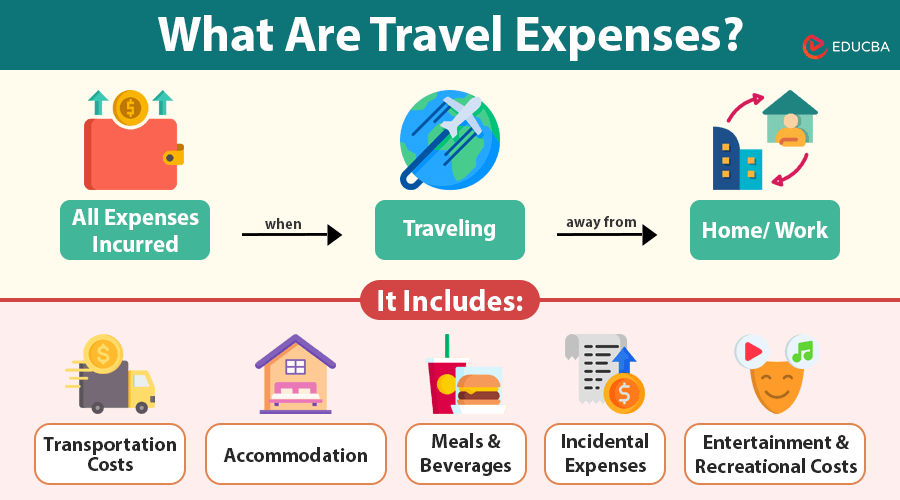
Shipping costs will depend on product volume and the destination.
Bonus Tip:
Keep in mind that customers value fast shipping, as well as free and discounted shipping options. If you can offer these amenities, you’ll be better off doing so. Consider partnering with couriers or local delivery companies if needed.
12. Legal and Professional Fees
Legal services include drafting contracts, intellectual property registration, and handling disputes.
You might also need to pay accounting fees for bookkeeping, tax preparation, and financial consulting. To stay organized, create and fill PDF forms to standardize the process of creating contracts and NDAs.
Bonus Tip: Don’t procrastinate hiring an attorney and an accountant. These are professionals you’ll need every step of the way through your business journey.
13. Memberships and Dues
Consider the costs of memberships in professional organizations, trade associations, or networking groups that offer business development opportunities.
Bonus Tip:
The benefit of showing an industry-recognized professional organization logo on your business marketing materials, letterhead, and business cards can be great. The cost of annual membership to these organizations is minimal compared to the authority and trust they bring you.
14. Borrowing Costs and Interest
As a business owner, do you plan to take out loans for your business venture? Think about the costs associated with obtaining financing, such as loan origination fees, interest on business loans, or lines of credit.
Keeping track of these costs alongside everyday expenses with expense tracking software can help business owners maintain a clearer view of their financial position.
Bonus Tip:
Watch for high interest rates, pre-payment fees, and other ways loans can cost significantly more than the borrowed amount. Steer clear of loans whenever possible, and when a loan is necessary, ensure optimal terms and pay it off as quickly as possible.
Wrap Up
Starting a business involves a lot of costs, including market research, equipment, marketing, payroll, and technology. When you know what to expect, you can budget more efficiently and make informed decisions from the start.
Keep your finances organized, track your expenses closely, and plan for both upfront and recurring costs. Tools like InvoiceBerry can help simplify this process by managing invoices, tracking spending, and keeping your startup’s cash flow on track.
When you’re prepared, you have a better chance of success. Have a plan, set aside an emergency fund, and understand which costs truly make a difference. You don’t need deep pockets to build a thriving business. Just the right tools, strategy, and determination.
Start managing your startup finances smarter. Try InvoiceBerry today and take control of your business growth.
FAQs
1. What are the most common startup costs for small businesses?
The most common startup costs include market research, business registration, equipment and supplies, technology setup, and marketing. You’ll also need to budget for insurance, taxes, and ongoing expenses such as utilities and payroll.
2. How much money do I need to start a small business?
Startup costs can vary significantly depending on the type of business. A home-based business might start with as little as a few hundred dollars, while a brick-and-mortar shop could require thousands. Creating a detailed business plan and using tools like InvoiceBerry can help you estimate and track these expenses more accurately.
3. Can I deduct startup costs on my taxes?
Yes. Many startup expenses, such as legal fees, equipment, and office supplies, may qualify as tax deductions. However, limits and rules apply depending on your country and business structure. It’s best to consult with a certified accountant to ensure you claim deductions correctly.